

 Back to Blogs
How Maryland's Humid Summers Affect Older Windows
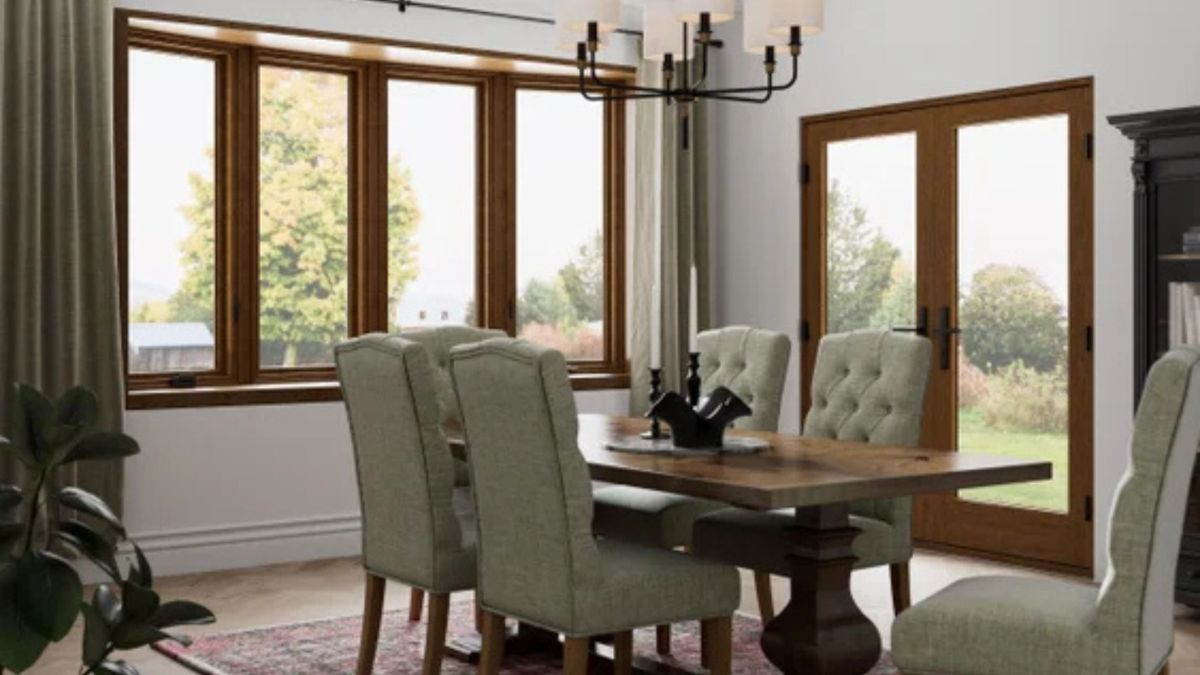
Anyone who's lived in Maryland through a July afternoon knows exactly what we're talking about when we say the air feels thick enough to wear. That same humidity doesn't just make you sweat sitting on the porch; it's quietly working against your windows, too. If you've ever wondered how humidity affects windows, especially older ones, you're asking a smart question that many homeowners don't think about until something starts sticking, fogging, or feeling off.
We get why this catches people by surprise. Moisture damage isn't always obvious until it's already done some work. Here's what's actually happening to your windows every summer, and what it means for your home long term.
Why Maryland Summers Are Especially Rough on Windows
Maryland doesn't just get hot in the summer; it gets humid in a way that lingers. That combination of heat and moisture in the air creates a lot of pressure on window materials, especially anything that isn't built to shrug off water. Older windows, particularly ones with wood frames or aging seals, weren't designed with today's humidity levels in mind, and it shows over time.
Let's get into the specific ways that play out.
What Humidity Actually Does to Older Windows
1. Wood Frames Absorb Moisture and Swell
Wood is porous by nature, which means it soaks up moisture from humid air whether you want it to or not. As the wood swells, the frame can press tighter against the sash, making windows harder to open or close. Give it a few summers in a row, and that repeated swelling starts to warp the frame permanently.
2. Condensation Builds Up Between the Glass
If you've noticed foggy or cloudy patches between the panes of a double-pane window, that's a sign the seal has failed, and moisture has worked its way inside. Once that happens, it's not something you can just wipe away. It usually means the insulating gas between the panes has escaped, which also affects the window's energy performance.
3. Wood Rot Sets In Over Time
Trapped moisture doesn't just sit there quietly. Over months and years, it creates the perfect environment for rot to develop, especially around the sill and lower corners of a wood frame. By the time rot is visible from the outside, it's often already spread further than it looks.
4. Seals and Caulking Break Down Faster
Humidity speeds up the natural breakdown of caulking and weatherstripping. Once those seals start failing, they let in even more moisture and air, creating a cycle that gets worse each summer rather than better.
5. Metal Hardware Corrodes
Locks, hinges, and cranks aren't immune either. Constant exposure to humid air can cause metal window hardware to corrode or stiffen, which is part of why some windows become harder to latch or crank open over the years.
6. Mold and Mildew Growth
Wherever moisture lingers, mold and mildew tend to follow, especially in shaded areas around window frames that don't dry out quickly. This isn't just a cosmetic issue; it can affect indoor air quality over time.
Signs Humidity Has Already Affected Your Windows
Here's what to look for around your home:
- Fogging or cloudiness between the glass panes
- A musty smell near the window frames
- Soft or discolored wood around the sill
- Windows that feel sticky or harder to operate in summer
- Visible mold or mildew spots on or around the frame
- Peeling paint or bubbling near the frame edges
If you're spotting a few of these signs, it's a good indicator that moisture has been working against your windows for longer than you realized.
Why Vinyl Windows Handle Humidity So Much Better
This is really where the conversation shifts for many homeowners. Vinyl doesn't absorb moisture the way wood does, so the swelling, rotting, and warping cycle simply doesn't happen the same way. A few reasons vinyl performs so much better through Maryland summers:
- It won't swell, rot, or attract mold the way wood can
- It holds its shape through repeated humidity swings year after year
- It requires no repainting or resealing to stay protected
- It pairs well with modern sealed glass units that resist fogging and condensation
If your current windows are already showing signs of moisture damage, it's worth browsing the full lineup of vinyl replacement windows built to handle exactly this kind of climate.
What Replacing Humidity-Damaged Windows Looks Like
When moisture damage has already set in, patching things up rarely solves the problem for good. A full replacement addresses it at the source. Here's the general process:
- The existing window, including the damaged frame, is completely removed
- A new, properly fitted vinyl window is installed in its place
- The area is sealed and finished, so moisture has no easy way back in
Backed by a Lifetime Limited Warranty for long-term peace of mind. (Restrictions may apply. For complete details, contact Window World of Frederick.)
A well-planned upgrade, such as installing replacement windows in Buckeystown, MD, starts with addressing any underlying issues. If humidity damage has spread into the surrounding wall structure, a licensed contractor should complete those repairs before new windows are installed properly.
Ready to Stop Fighting Maryland Humidity Every Summer?
Humidity isn't going anywhere, but the damage it causes to your windows doesn't have to become a yearly headache. If your windows are showing signs of moisture wear, addressing the issue now can help prevent bigger problems down the road.
For homeowners considering other exterior upgrades, explore door replacement in Manchester, MD, while you reach out to Window World of Frederick for your Free Quote and discuss windows designed to handle everything a Maryland summer throws at them.
Frequently Asked Questions
-
Look for fogging or cloudiness between the glass panes. That's usually a clear sign the seal has failed, and moisture has gotten inside.
-
No. Vinyl doesn't absorb moisture the way wood does, so it doesn't swell, rot, or warp from repeated exposure to humidity the way older wood frames can.
-
Yes. Trapped moisture around window frames creates a good environment for mold and mildew, especially in shaded or poorly ventilated areas.
-
Wood and other porous materials absorb moisture from humid air, causing them to swell and press more tightly against the frame or track, making the window harder to operate.
-
If moisture has already caused rot, seal failure, or persistent mold, replacement is usually more reliable than repeated repairs, since the underlying material issue tends to recur otherwise.