

 Back to Blogs
Entry Door Materials Explained: Finding the Best Option for Maryland Homes
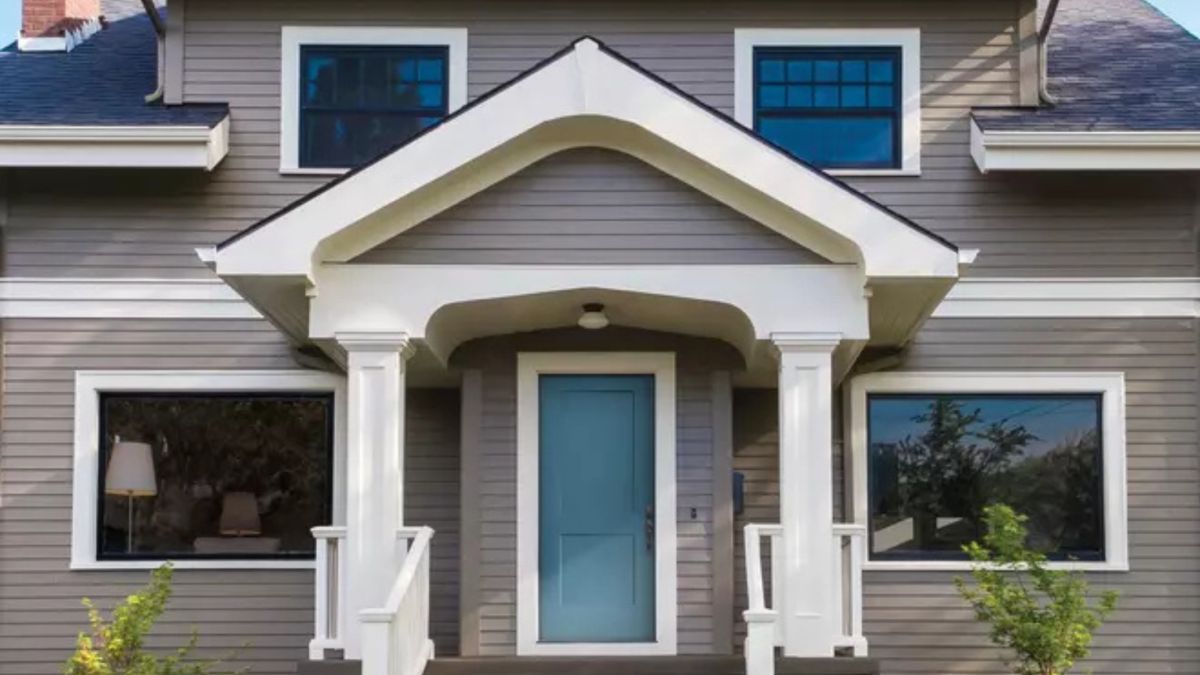
Choosing the right material is one of the most important decisions in entry door replacement Maryland homeowners face, since it affects durability, appearance, and long-term performance. The three most common materials are wood, steel, and fiberglass, each with its own strengths for Maryland's climate.
What Are the Most Common Entry Door Materials?
Wood, steel, and fiberglass are the three materials most homeowners compare when planning entry door replacement in Maryland. Each performs differently in the state's humid summers and cold winters, making material choice meaningful. Wood offers a classic, natural look, but needs regular maintenance to resist moisture. Steel is affordable and strong, though it can dent and is prone to rust. Fiberglass resists warping, rotting, and denting while still capturing the look of natural wood grain.
What Are the Pros and Cons of Wood Entry Doors?
Wood entry doors offer a traditional, high-end appearance, but they require ongoing maintenance to withstand the elements. Left unprotected, wood can absorb moisture, leading to swelling, warping, or cracking over time, especially through Maryland's humid summers. Regular refinishing and sealing help keep a wood door performing well for years.
What Are the Pros and Cons of Steel Entry Doors?
Steel entry doors are generally durable and budget-friendly, but they carry a few trade-offs worth understanding. Steel can dent from everyday impacts, and if the protective coating is compromised, rust can develop. Steel doors also tend to transfer temperature more readily, which can affect comfort near the entryway.
Why Do So Many Maryland Homeowners Choose Fiberglass Entry Doors?
Fiberglass has become a popular entry door material because it combines durability with the appearance of natural wood grain, without the maintenance wood requires. Unlike wood or steel, fiberglass will not warp, rot, dent, or rust, making it well-suited to everyday wear and changing weather. This durability is part of why fiberglass entry doors, like those in our lineup, have become a popular choice for homeowners updating their entryways.
How Does Fiberglass Perform in Maryland's Climate?
Maryland's seasonal shifts, from humid summers to cold, damp winters, put real demands on exterior doors. Fiberglass is designed to withstand this exposure without the swelling or corrosion that wood and steel can experience. Because fiberglass does not absorb moisture the way wood does, it is less likely to warp or crack as temperatures and humidity change.
What Style Options Are Available With Fiberglass Entry Doors?
Fiberglass entry doors are available in a range of woodgrain finishes and smooth designs, giving homeowners flexibility to match their home's style. Options like our Fiber-Classic entry doors capture the warm look of wood grain while offering the added durability fiberglass provides, making a traditional appearance possible without the maintenance wood typically requires.
How Do Fiberglass Entry Doors Support Energy Efficiency?
A well-constructed fiberglass entry door typically has an insulating foam core, which can help reduce heat transfer at the entryway compared to a hollow door. Actual performance depends on the specific product and installation, but an insulated fiberglass door is generally designed to support a more comfortable, consistent temperature near the entrance.
What Should You Consider Before Entry Door Replacement for Maryland Homeowners?
Before starting entry door replacement, Maryland homeowners should weigh their home's architectural style, the door's exposure to sun and weather, and how much maintenance they're willing to take on. Weighing these factors against each material's strengths helps homeowners land on a choice that fits both their home and their lifestyle.
Why Does Professional Installation Matter for Entry Door Performance?
Even a well-built fiberglass door depends on precise installation to perform as intended. A door that is not properly measured can develop gaps around the frame, regardless of material. Professional installation helps ensure the door is level, properly sealed, and positioned to perform as designed.
Conclusion
Choosing between wood, steel, and fiberglass comes down to balancing appearance, durability, and maintenance. For many Maryland homeowners, fiberglass strikes that balance by offering the warmth of natural wood grain with far less upkeep than wood or steel require. If you're weighing your options for entry door replacement, Maryland homeowners can count on us. Request a free quote to explore fiberglass entry door styles that fit your home.
Frequently Asked Questions
-
Fiberglass generally requires less maintenance than wood since it resists warping, rotting, and moisture damage. Wood offers a classic look but requires more long-term upkeep.
-
No. Unlike steel, fiberglass resists denting from everyday impacts, which is one reason many homeowners consider it a durable long-term option.
-
Yes. Many fiberglass entry doors feature detailed woodgrain textures and finishes that capture the appearance of natural wood while offering added durability.
-
Fiberglass doors are built to resist warping and rot, which can support long-term performance, though actual longevity depends on the specific product and installation.
-
Yes. A door's material and construction, including whether it has an insulated core, can influence how well it maintains a comfortable indoor temperature near the entryway.