

 Back to Blogs
What Are the Benefits of Replacing an Old Entry Door?
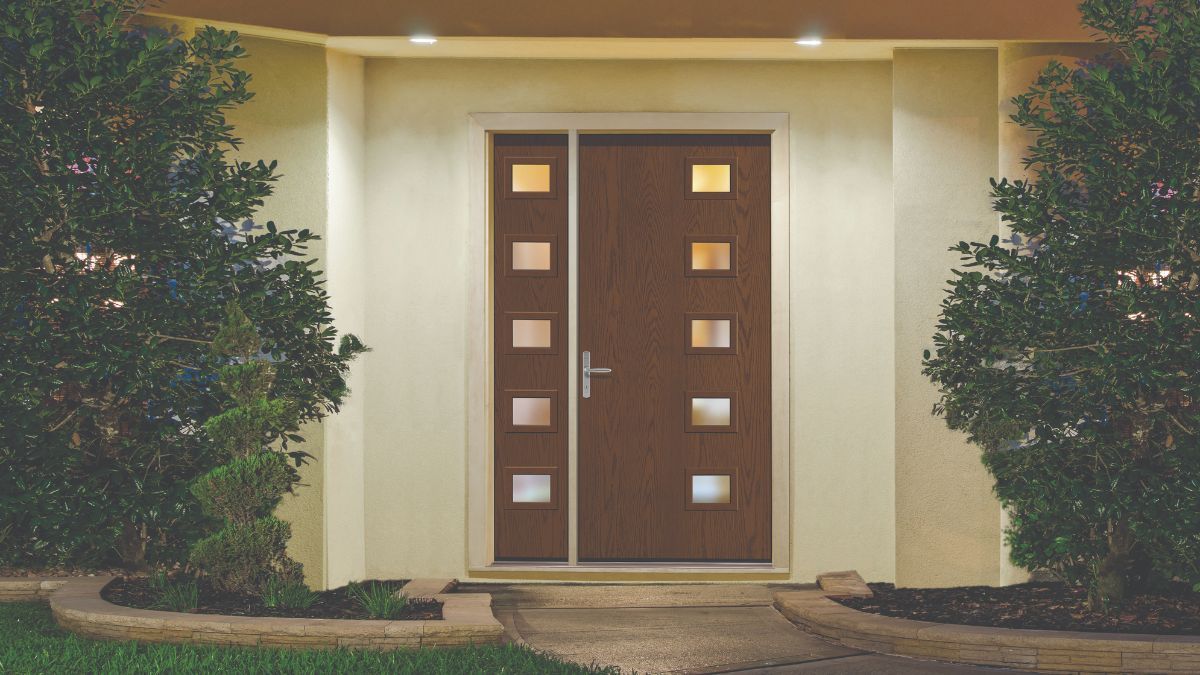
The benefits of replacing an entry door come down to five things: a more comfortable home, less strain on your heating and cooling, better curb appeal, less maintenance, and stronger weather protection. An old door loses ground on all five, usually so slowly that you stop noticing.
Your front door is the one part of your house you touch every day. It also takes the worst of Maryland’s humid summers and cold, damp winters. Here is what a new one actually changes, and how to tell when yours is due.
What Are the Benefits of Replacing an Old Entry Door?
Here are the top benefits of replacing an old entry door:
1. Fewer drafts and steadier comfort
Drafts are the most common complaint, and they rarely come from the door slab itself. They come from worn weatherstripping, aging seals, or a frame that has shifted out of alignment.
Weatherstripping compresses over years of daily use. Once it stops sealing, air can still pass through even a fully closed door. A properly measured new entry door closes those gaps, so rooms near your entryway stay more even throughout the day. You notice it most on a windy January morning.
2. Less strain on your heating and cooling
Air leakage around doors and windows affects how hard your HVAC system has to work, according to the U.S. Department of Energy. A well-sealed, properly installed door reduces that leakage.
This is where energy efficiency comes in. Many fiberglass doors have an insulating foam core, which helps limit heat transfer compared to a hollow door. Actual results depend on the product and installation, so treat any door as part of your home’s overall performance, not a magic fix.
3. Stronger curb appeal
Visitors, neighbors, and future buyers all see your front door first. A faded, scuffed, or sagging one drags down the whole facade, even when everything else is in good shape.
Modern doors come in a wide range of looks:
- Woodgrain finishes that mimic mahogany or oak
- Smooth, paintable surfaces in many colors
- Contemporary designs with decorative glass
- Full-lite and partial-lite styles that bring in daylight
Better curb appeal also makes a house feel cared for, which many homeowners say is the real payoff.
4. Far less maintenance
Material drives how much upkeep you sign up for. Wood looks great but needs regular sealing and refinishing, and it can swell or crack in humid weather. Steel is budget-friendly and strong, but it can dent and may rust if the coating is damaged.
A fiberglass entry door resists warping, rotting, denting, and rusting. Fiberglass also does not absorb moisture the way wood does. For a busy household, that means fewer weekends spent sanding and repainting.
5. Better protection from weather
Rain, snow, and humidity wear down frames and thresholds over time. Moisture collecting near the base of a door is an early warning sign.
A properly installed door gives you a tighter barrier between your living space and the outdoors. It limits how much wind, moisture, and temperature swing reaches the inside. How well it works depends on the door’s construction and how precisely it is installed.
6. A door that works the way it should
A door that sticks, scrapes the frame, or needs a shoulder shove in August is telling you something. Warped slabs and shifted frames are common in older homes.
A door replacement fixes the daily annoyances. The door swings cleanly, closes fully, and latches without a fight. It is a small thing until the day you have grocery bags in both hands.
7. Peace of mind that lasts
Nobody wants to think about their front door, and that is the point. A well-chosen, properly installed door lets you stop thinking about it.
Installation matters as much as the product. Even a well-built door can develop gaps if it is not measured and fitted correctly. Proper alignment, sealing, and attention to the surrounding frame decide how the door performs for years.
Signs It’s Time for Entry Door Replacement
Look for any of these:
- Drafts you can feel around the edges
- Visible warping, cracking, or damage
- A door that sticks or will not close smoothly
- Worn or flattened weatherstripping
- Moisture collecting near the bottom of the door
- A frame that looks shifted or uneven
One sign may be fixable with new weatherstripping. Several together usually point toward replacement.
What to weigh before you choose
Start with your home’s style and how much sun and weather the door gets. Then be honest about how much maintenance you want. Wood rewards effort, while fiberglass asks for much less. Compare insulated construction, frame materials, weatherstripping quality, and glass options, and plan on professional installation.
Bottom Line
The benefits of replacing an entry door are practical and easy to feel: fewer drafts, steadier indoor temperatures, less upkeep, better protection from Maryland weather, and a front entrance you are proud of. If your door sticks, leaks air, or shows its age, replacement is a sensible upgrade, not a luxury.
At Window World of Frederick County, we install fiberglass entry doors for homeowners across Frederick, Carroll, and Washington counties, so reach out for a free quote.
Frequently Asked Questions
-
Yes, if yours leaks air, sticks, or shows damage. A new door can reduce drafts, cut upkeep, and improve how your home looks from the street.
-
They can. A well-sealed, properly installed door reduces air leakage, and an insulated core helps limit heat transfer. Results vary by product and installation.
-
Many homeowners choose fiberglass because it resists warping, rotting, denting, and rusting while still offering a woodgrain look.
-
Persistent drafts, warping, a sticking door, worn weatherstripping, or moisture near the base are the main signs.
-
Yes. Even a high-quality door can underperform if it is not measured, aligned, and sealed correctly.
-
Yes. Many fiberglass doors have detailed woodgrain textures and finishes that closely match natural wood.