

 Back to Blogs
What Problems Can a New Door Solve?
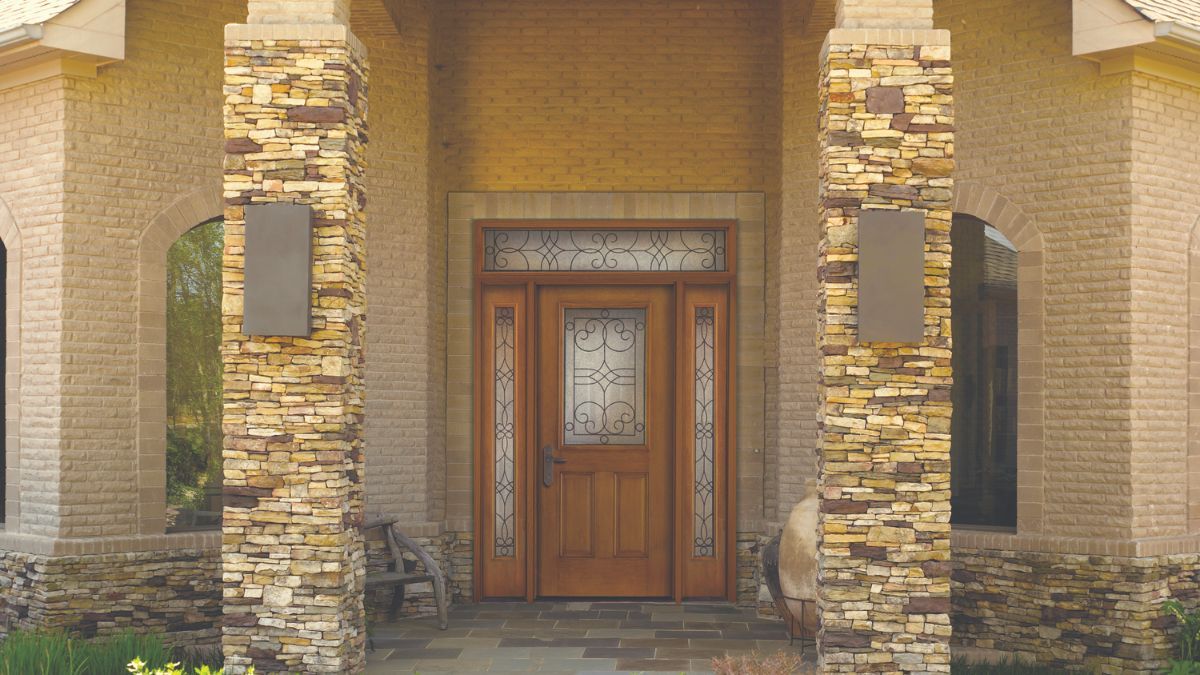
A new door can solve drafts, sticking, moisture damage, and a dated look in one project. If your front door fights you every season, entry door replacement is usually a better answer than putting up with it. Most homeowners wait too long because the signs build slowly. Here is how to spot them, and what a well-chosen replacement entry door can realistically fix.
What Problems Can a New Door Solve?
Your entry door works harder than any other part of your home's exterior. It opens thousands of times, takes direct sun and rain, and holds the line between your living room and a Maryland winter. When it starts to fail, the problems show up inside the house first. Here are the ones we see most often.
Drafts and Uneven Room Temperature
Weatherstripping compresses a little with every year of daily use. Eventually it stops forming a tight seal, and air slips through even when the door is fully closed. You notice it as a cold patch in the hallway on a windy January morning. A properly measured and installed energy-efficient entry door closes those gaps, so the rooms near your entrance feel steadier all day.
Heating and Cooling Systems That Work Too Hard
Air leaking around a door gives your furnace and air conditioner extra work. That strain adds up across humid summers and cold winters. A well-built fiberglass door typically has an insulating foam core, which helps reduce heat transfer at the entryway compared to a hollow door. Actual performance depends on the specific product and how well it is installed, so it is smart to compare options before you commit.
Warping, Swelling, and a Door That Sticks
Maryland weather takes a toll on exterior materials. They expand in heat, contract in the cold, and soak up moisture from rain and snow. Wood is the usual victim. It can swell, warp, or crack, which leaves you shoving a door shut in August. Fiberglass entry doors resist rotting, warping, and twisting, and they don't absorb moisture the way wood does.
If you find soft spots or water damage in the frame or the floor beneath it, a licensed contractor needs to address that before a new door goes in.
A Faded, Dated Look
Your front door is the first thing guests see and the first thing you see when you pull into the driveway. A chipped finish or a style that no longer fits the house can drag down the whole facade. New doors bring real curb appeal back. Fiberglass comes in woodgrain finishes that capture the look of rich mahogany or warm oak. It also comes in smooth, paintable surfaces and modern designs with bold glass patterns.
Constant Upkeep
A real wood door needs regular sanding, sealing, and refinishing to hold up outdoors. Skip a season, and the damage starts. Many homeowners would rather spend that weekend elsewhere. Low-maintenance entry doors give you the woodgrain look without the annual project.
Signs It May Be Time for Entry Door Replacement
Look for any of these:
- Drafts you can feel around the edges
- Visible damage, warping, or a shifted frame
- A door that sticks or is hard to lock
- Worn or flattened weatherstripping
- Moisture collecting near the bottom of the door
Two or three of these together usually point toward entry door replacement rather than a patch-up.
Why Installation Matters as Much as the Door
Even a well-built door can leave gaps if it is not measured and fitted correctly. Proper alignment and sealing decide how it performs for years.
A true replacement means removing the existing door entirely and installing a brand-new one. That fresh start is where professional installation pays off.
Bottom Line
A new door fixes more than it gets credit for. It stops drafts, steadies indoor temperatures, ends the sticking and swelling cycle, and gives your home a front-facing upgrade you see every day.
If two or more warning signs sound familiar, start comparing styles and materials now. Planning ahead beats replacing a door in a rush after a cold snap. Ready to solve your door problems? Request a free quote from Window World of Frederick County today.
Frequently Asked Questions
-
Yes. A properly fitted door closes the gaps that form around worn weatherstripping and shifted frames, which are common draft sources.
-
For most homes, fiberglass needs less maintenance. It resists warping, rotting, and moisture damage, while wood needs regular sealing and refinishing.
-
Yes. Many fiberglass doors have detailed woodgrain textures and stains that capture the look of natural wood.
-
Persistent drafts, warping, trouble opening or locking, and worn weatherstripping are the usual signs.
-
Yes. Even a quality door can underperform if it is not measured, aligned, and sealed correctly.