

 Back to Blogs
How Do I Know If I Need a New Front Door?
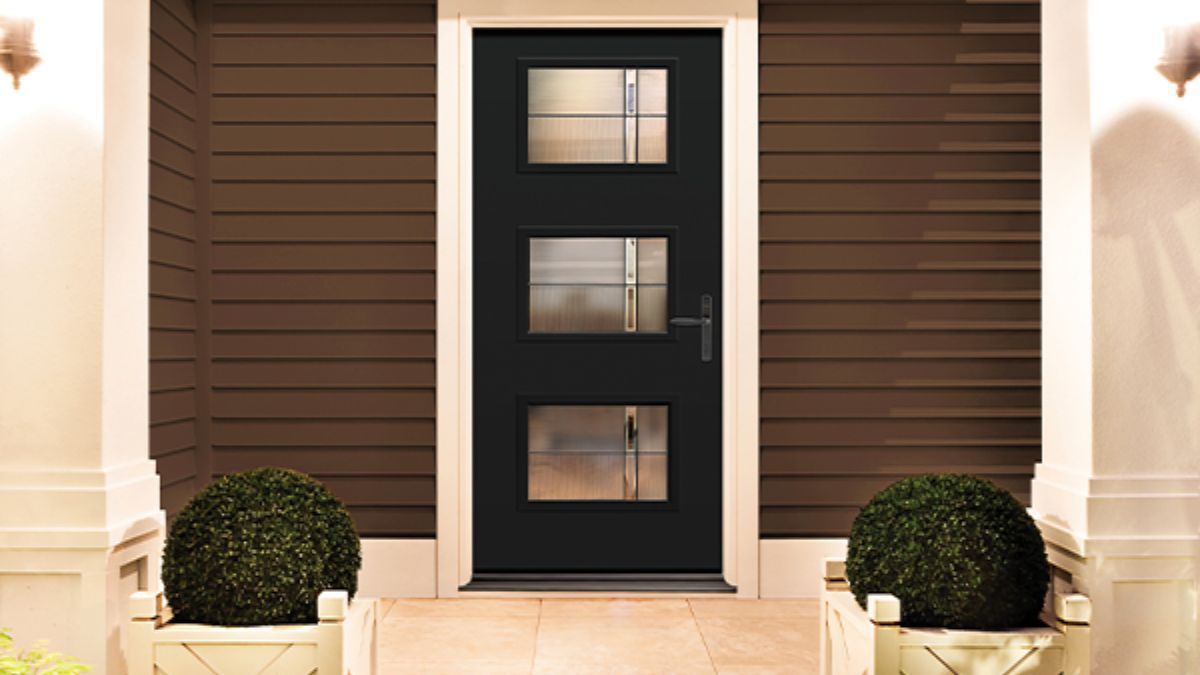
You likely need a new front door if it sticks, lets in drafts, shows rot, rust, dents, or cracks, no longer locks smoothly, or leaves your entryway looking worn. One of these problems alone can sometimes be repaired. Several at once usually mean replacement will cost less in the long run than patching.
Your front door does more work than almost any other part of your house. It opens and closes dozens of times a day, takes sun, rain, and freezing temperatures on one side, and holds your home's temperature steady on the other. In this post, we’ve covered the signs you need a new front door and how to tell a fixable problem from a failing one.
What Are the Most Common Signs You Need a New Front Door?
The clearest signs you need a new front door fall into four groups: comfort, condition, security, and appearance. Check each one with your own eyes and hands.
1. You Feel Drafts or See Daylight Around the Edges
On a cold or windy day, stand inside and run your hand along the edges. If you feel moving air or see a thin line of light between the door and the frame, outside air is getting in. You can replace worn weatherstripping (the flexible seal that runs around the door). But if the gap stays even with fresh seals, the door or frame has likely shifted.
Drafts also tend to show up in your bills. Rooms near the entry feel colder in winter and warmer in summer, and your heating and cooling system works harder to compensate.
2. The Door Sticks, Rubs, or Won't Close Properly
A door that you have to shoulder shut, or that scrapes the frame, is telling you something. Humidity and temperature swings can make a door swell or warp. A warped front door often leaves uneven gaps, so it fits tightly at the top and loosely at the bottom.
If tightening hinge screws or adjusting the strike plate (the metal piece the latch slides into) doesn't help, the door itself may be the problem.
3. You Can See Rot, Rust, Cracks or Dents
Surface damage matters more than it looks. Soft spots, peeling finish and swollen edges point to moisture getting inside. Rust bubbling near the bottom suggests the protective coating has failed. Cracks and deep dents weaken the door's structure and break its seal against the weather.
Press a screwdriver gently into any suspect spot near the bottom edge. If it sinks in, the damage goes beneath the surface.
4. The Lock and Hardware Don't Work Like They Used To
Keys that stick, a deadbolt that has to be lifted before it turns, or a handle that wobbles can all point to a door that has settled out of alignment. Sometimes new hardware solves it. When the bolt no longer lines up with the frame because the door itself has moved, replacing the whole door is the more reliable fix.
5. Your Home Feels Less Secure
Any door that flexes under pressure, has splintered around the lock area, or sits loose in its frame offers less protection than it should. A solid, well-fitted door that closes squarely gives a deadbolt something firm to work against. If your current one doesn't, treat that as a priority rather than a cosmetic issue.
Other Warning Signs Homeowners Often Overlook
Not every problem announces itself loudly. These quieter clues deserve attention too.
- Condensation or moisture on the inside of the door or on the floor near the threshold
- Fading, chalking or peeling paint that keeps coming back after refinishing
- Noise from outside that seems louder than it used to be
- A door that feels very hot or very cold to the touch
- Water stains on the floor or trim near the entry after rain
Water at the threshold (the strip at the bottom of the doorway) is a particular red flag. Ongoing moisture can damage flooring and framing, so check before a small issue becomes a major repair.
Why Professional Installation Matters
Even a well-made door performs poorly if it's measured or hung incorrectly. A door that isn't level or sealed properly can develop gaps around the frame regardless of material. Professional installers check that the opening is square, set the door plumb, and seal it so it works as designed. It also helps protect your product warranty, which is worth confirming before any project begins.
Bottom Line
The most reliable signs you need a new front door are drafts, sticking or warping, visible rot, rust or cracks, lock trouble, security worries, and a finish that keeps failing. One small issue is often fixable. A pattern means the door has reached the end of its useful life. Acting sooner protects your comfort, your floors, and your home's first impression.
If it's time to replace yours, Window World of Frederick County offers entry doors with professional installation, and you can request a Free Quote to get started.
Frequently Asked Questions
-
There is no fixed timeline. Replace it when damage, drafts, or poor operation can no longer be fixed reliably, since lifespan depends on the door's quality, weather exposure, and upkeep.
-
Sometimes. New weatherstripping or a threshold adjustment can stop minor drafts, but a warped door or a shifted frame usually needs replacement.
-
It can. An insulated door that fits tightly helps limit air leaks and heat transfer at the entry, though results vary by product and installation.
-
Moisture and temperature swings are the usual causes. Repeated swelling and drying can bend a door out of shape and leave uneven gaps.
-
Many homeowners find it is, since fiberglass resists warping, rotting, denting, and rust, and it needs far less upkeep than doors that must be refinished regularly.
-
Yes. Precise measuring, leveling, and sealing affect how well the door performs, and professional installation helps protect your warranty.