

 Back to Blogs
What Type of Replacement Door Is Best for Maryland Weather?
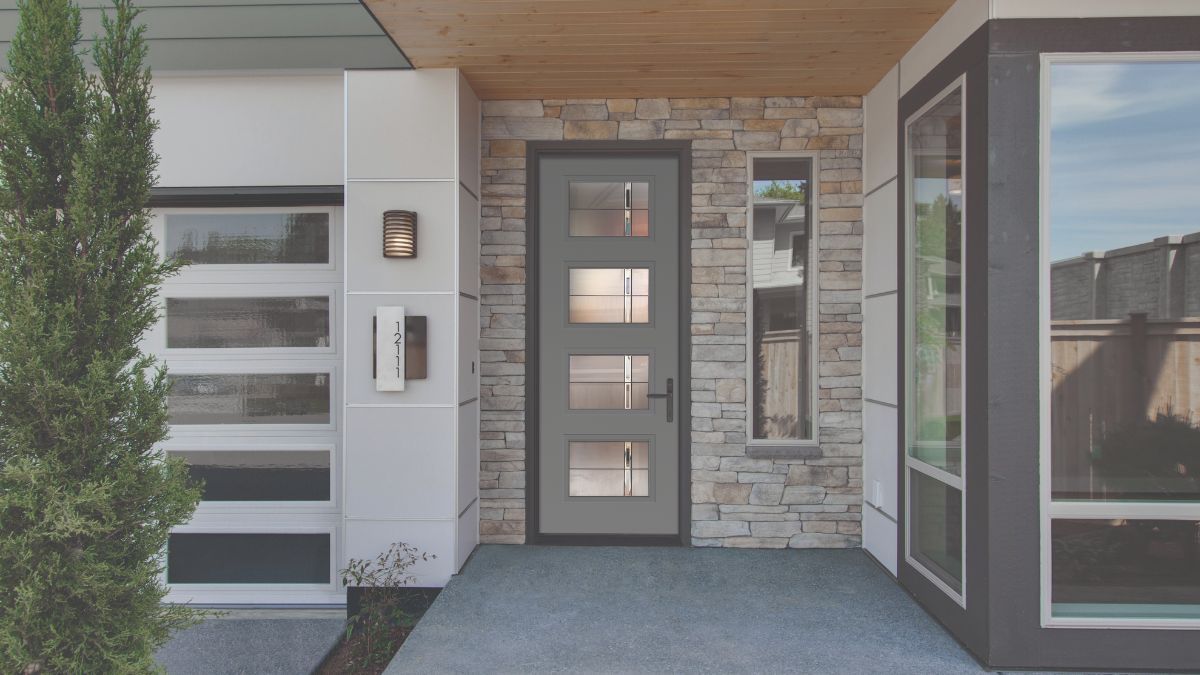
For most Maryland homes, the best replacement doors for Maryland weather are insulated fiberglass entry doors, tightly sealed vinyl patio doors, and a storm door where extra protection makes sense. These doors are built to handle humid summers, cold damp winters, and the swings between them without swelling, rotting, or warping. The right pick depends on where the door sits, how much sun and rain it takes, and how well it is installed. Get those three things right, and you gain a steadier indoor temperature, a better-looking front of the house, and fewer worries when a storm rolls through.
How Does Maryland Weather Affect Exterior Doors?
Maryland weather puts steady stress on doors because the state swings from humid summers to cold winters. Materials expand and contract as temperatures change, and over the years that movement can loosen the seal between a door and its frame.
Rain and snow add another layer of wear. Moisture tends to collect around the bottom of a door and along the frame, which is where problems usually start.
A few everyday signs tell you the weather is winning:
- You feel a draft near the door on a windy day.
- The door sticks, scrapes, or no longer closes smoothly.
- The weatherstripping (the flexible strip that seals the gap around the door) looks flattened, cracked, or loose.
- You see warping, damage, or moisture near the base of the door.
- Rooms near the entrance feel colder in winter or warmer in summer than the rest of the house.
Drafts matter for more than comfort. According to the U.S. Department of Energy, air leaking around doors and windows affects how hard a home's heating and cooling system has to work. A well-sealed exterior door replacement can reduce that leakage, though results depend on the specific product and how it is installed.
What Are the Best Types of Replacement Doors for Maryland Homes?
There is no single winner for every doorway. Front doors, back patios, and screened-in entries each face different conditions, so here is how the main options stack up.
Fiberglass Entry Doors for the Front of the House
Fiberglass entry doors are a strong match for Maryland homes because they are designed to resist extreme weather without rotting, warping, or twisting. They also stand up to everyday bumps, so they keep their shape after years of use.
A good fiberglass door usually has an insulating foam core, which helps slow heat transfer at the entryway. That can mean a more even temperature near the door in January and July alike.
Style is not a trade-off either. You can pick:
- A rich mahogany or warm oak look with a woodgrain finish
- A smooth surface that comes in plenty of color options
- A modern design with bold glass patterns
That range lets you match a colonial, a ranch, or a newer build while boosting curb appeal at the same time.
Vinyl Patio Doors for Back Decks and Yards
Back doors take a beating from wind, sun, and rain, so they deserve the same attention as the front. Vinyl patio doors come in two main styles. Sliding patio doors maximize natural light and floor space, while hinged patio doors swing in or out to suit your layout.
Look for double-pane insulated glass, which means two layers of glass with a sealed space between them that slows heat moving in or out. It helps a sunny family room stay comfortable without constant thermostat changes.
Storm Doors for Extra Protection
A storm door is a second door that sits outside your main entry. It adds a layer against wind, rain, and pests, and it lets you open the main door for fresh air.
Four styles are common: full view (lets in light), ventilating (opens easily for airflow), retractable screen (switches between glass and screen), and security (adds features for the entry). Many Maryland homeowners enjoy having one in spring and fall when the weather is mild.
Why Does Professional Door Installation Matter in Maryland?
Even the best door performs poorly if it is not fitted well. A door that is measured wrong can leave gaps around the frame no matter what it is made of, and gaps are exactly where Maryland's wind, moisture, and temperature swings sneak in.
Professional door installation means the old door comes out completely and a brand-new one goes in level, plumb, and sealed. That precision is what keeps the door closing smoothly and keeps drafts out. It also helps protect your product warranty, since manufacturers expect proper installation.
Bottom Line
For most Maryland homes, an insulated fiberglass entry door paired with a well-sealed vinyl patio door covers the biggest weather challenges, and a storm door adds flexibility on mild days. Pair any of them with careful measuring and professional installation, and you get a home that feels more comfortable, looks sharper from the curb, and gives you peace of mind through every season.
If you are ready to start, Window World of Frederick County, America's Exterior Remodeler, serves Frederick, Carroll, and Washington counties, so request a free quote today.
Frequently Asked Questions
-
Fiberglass is a top choice for entry doors because it resists rotting, warping, and twisting through humid summers and cold winters. Many styles also copy the look of natural wood grain.
-
Yes. Fiberglass doors often include an insulating foam core that helps slow heat transfer, and a snug installation keeps cold air from slipping around the frame.
-
Persistent drafts, a door that sticks, worn weatherstripping, visible warping, or moisture near the base all point toward replacement.
-
They can help by reducing air leakage around the door, but savings vary by product, installation, and your home.
-
For many homes, yes. A storm door adds a layer against wind and rain and lets you bring in fresh air through a screen on mild days.
-
Yes. Accurate measuring and sealing are what let a door perform as designed, and professional installation helps protect your warranty.