

 Back to Blogs
Why South-Facing Windows Often Wear Out Faster in Maryland
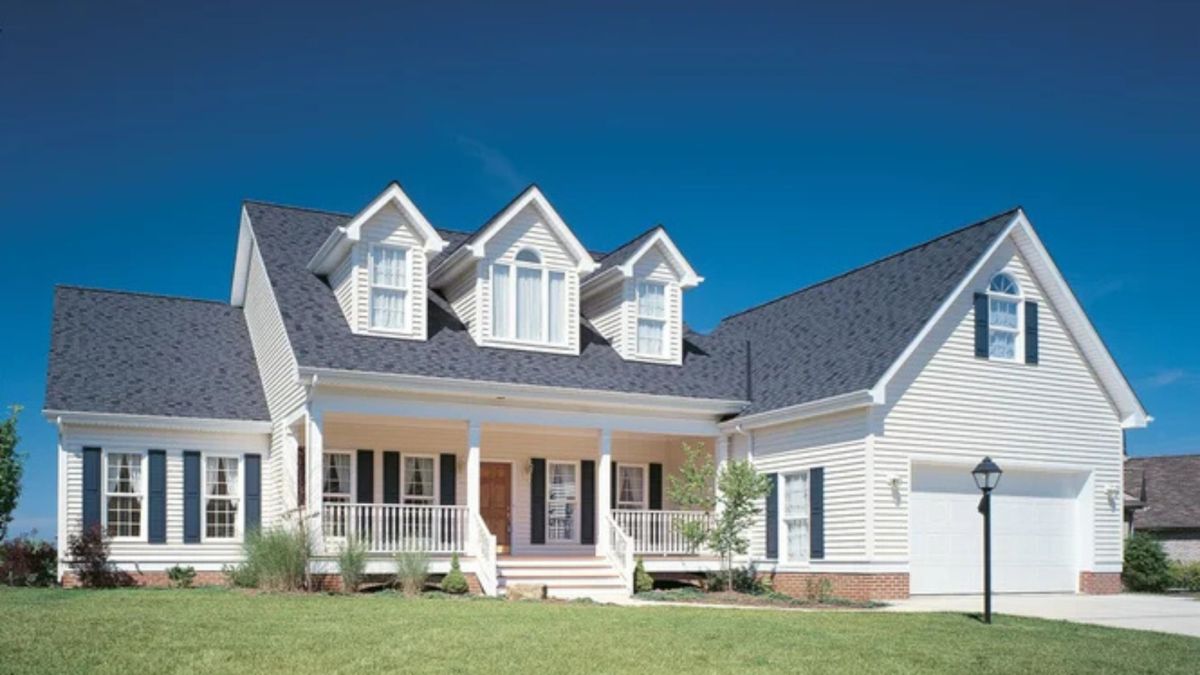
If you've ever compared the windows on the south side of your home to the ones facing north, you may have noticed something. The south side often looks more worn, more faded, and sometimes even harder to operate. South-facing windows take on more daily stress than any other side of the house, and in Maryland's climate, that difference adds up faster than most homeowners expect.
We understand how frustrating it is when one side of your home seems to age years ahead of the rest. Here's exactly why that happens, and what it means for how long those windows will actually last.
One Side of Your Home Works Harder Than the Rest
Every window faces the elements, but not equally. South-facing windows get the most direct, consistent sun exposure throughout the day, especially in Maryland, where summers bring long stretches of intense sunlight. That extra exposure puts more strain on the materials than shaded or north-facing windows ever experience.
Here's what that added exposure actually does over time.
Why South-Facing Windows Age Faster
1. Constant UV Exposure Breaks Down Materials
South-facing windows spend more hours in direct sunlight than any other side of the house. Over time, UV exposure causes certain materials to fade, become brittle, or develop small cracks, especially around seals and frame edges.
2. Higher Heat Buildup Stresses the Frame
Direct sun doesn't just affect the glass; it heats the entire frame throughout the day. That repeated heating and cooling cycle, day after day, puts more expansion and contraction stress on south-facing frames compared to shaded windows elsewhere in the home.
3. Seals Wear Down Faster in Direct Sun
Caulking and weatherstripping naturally degrade over time, but heat accelerates the process. South-facing seals often show cracking or shrinkage well before seals on shadier sides of the house.
4. Faster Fading and Discoloration
If you've noticed a slight color difference between your south-facing windows and the rest of your home's frames, sun exposure is almost always the reason. Prolonged UV exposure gradually fades and discolors materials that aren't specifically built to resist it.
5. Increased Risk of Seal Failure in Double Pane Glass
The extra heat load on south-facing windows can accelerate seal failure between panes, which is why fogging or condensation between the glass sometimes shows up on the sunny side of a home before anywhere else.
Signs Your South-Facing Windows Are Wearing Down
Keep an eye out for these signs, especially if your south-facing windows are original to the home:
- Noticeable fading or discoloration compared to other windows
- Cracking or shrinking caulk and weatherstripping
- Fogging or haze between the glass panes
- Windows that feel harder to open than others in the house
- Warmer indoor temperatures in south-facing rooms during summer
If several of these signs apply, especially if you’re dealing with Water Leaking Around Your Patio Door After Heavy Rain?, that side of your home may be due for an upgrade before the rest.
Why Vinyl Windows Hold Up Better Against Constant Sun
This is where material choice really matters. Vinyl windows are built to resist the kind of UV and heat stress that south-facing exposure creates. A few reasons they perform better in this position:
- UV-resistant vinyl resists fading and discoloration far longer than older materials
- Vinyl frames handle repeated heat cycles without warping the way older materials can
- Low-E glass helps reduce the heat load coming through south-facing glass
- Durable seals are built to withstand prolonged sun exposure without breaking down early
If your south-facing windows are showing their age faster than the rest of your home, it's worth checking out the full lineup of energy-efficient vinyl windows built to handle that extra exposure.
What to Expect When Replacing South-Facing Windows
Since this side of the home takes on more wear, a full replacement tends to offer the most lasting results. Here's what that process looks like:
- The existing window, frame included, is completely removed
- A new, UV-resistant vinyl window is installed in its place
- The area is sealed and finished to hold up against ongoing sun exposure
Backed by a Lifetime Limited Warranty for long-term peace of mind. (Restrictions may apply. For complete details, contact Window World of Frederick.)
If prolonged sun exposure has damaged the surrounding wall or trim, those areas should be repaired by a licensed contractor before installing replacement windows in Brownsville, MD to help ensure a proper fit and lasting performance.
Ready to Give Your South-Facing Windows an Upgrade?
If one side of your home is showing more wear than the rest, it's not your imagination; it may simply be exposed to more sunlight and the elements. For homeowners considering door replacement in Sykesville, MD, Window World of Frederick can help you find a durable solution. Reach out today for your Free Quote and give that side of your home the lasting protection it deserves.
Frequently Asked Questions
-
Yes. The extra direct sunlight they receive throughout the day accelerates fading, seal breakdown, and frame stress compared to shaded or north-facing windows.
-
Solar film or exterior shading can help reduce some UV exposure, but they don't fully stop the wear that comes from years of direct sunlight.
-
UV exposure gradually fades and discolors window materials, and since south-facing windows get the most sun, the color difference becomes noticeable over time.
-
Many homeowners start with the south side since it wears out first, though replacing windows together is often more cost-effective if others are approaching the end of their lifespan too.
-
Yes. Low-E glass and improved seals significantly reduce heat transfer, helping keep south-facing rooms more comfortable during peak sun hours.