

 Back to Blogs
Can Replacement Windows Improve Natural Light Without Increasing Heat?
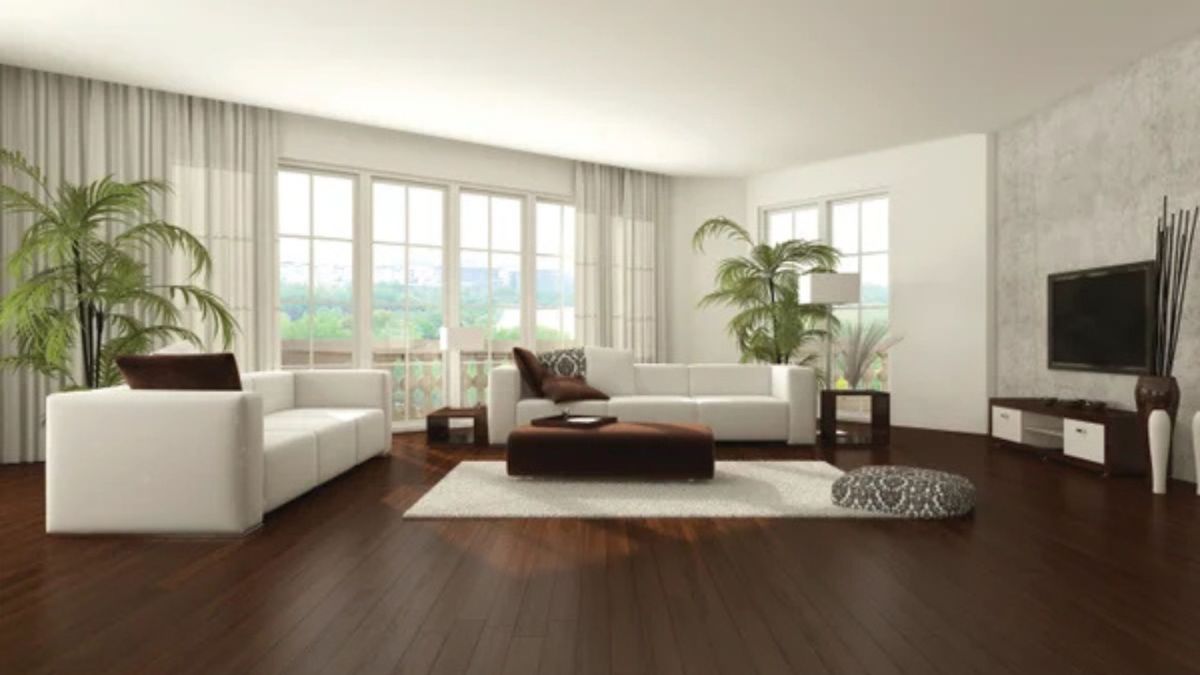
There's nothing quite like a room filled with natural light, until that same sunlight turns your living room into a greenhouse by mid-afternoon. A lot of Maryland homeowners want more brightness without the heat that usually comes with it, which is exactly why energy-efficient windows' natural light performance has become such a common question.
We hear you, nobody wants to choose between a bright home and a comfortable one. The good news is that with the right windows, you genuinely don't have to. Let's look at how this works and why older windows tend to struggle with this balance.
Why Light and Heat Usually Feel Like a Trade-Off
Older windows were never really built to separate light from heat. Basic glass lets both heat and light pass through, which means a sunny room often becomes an uncomfortably warm one, especially during Maryland's long summer stretch. That's part of why so many homeowners end up keeping curtains closed during the day just to manage the temperature, even though they'd rather have the light.
Here's why that trade-off exists, and how newer windows change the equation.
What Makes Older Windows Let in Heat Along With Light
1. Basic Glass Has No Real Heat Barrier
Standard single-pane or older double-pane glass doesn't do much to filter out solar heat. It lets visible light in, but it also lets a lot of infrared heat pass right through, which is why sunny rooms heat up fast.
2. No Low-E Coating to Reflect Heat
Low-E, short for low emissivity, refers to a thin coating on the glass that reflects heat while still allowing light through. Older windows typically don't have this coating, which means they let in the full intensity of the sun's heat along with its brightness.
3. Single Pane Design Offers Little Insulation
Beyond just heat gain, single-pane glass also does a poor job holding onto indoor temperature once the sun moves on, which means rooms can swing from too hot to drafty depending on the time of day.
4. Poor Seals Add to Overall Heat Transfer
Even if the glass were better, worn seals and warped frames provide another way for heat to seep into the room, compounding the issue beyond the glass.
How Newer Windows Solve This Without Blocking Light
This is where energy-efficient glass technology actually makes a real difference. Modern vinyl windows use coatings and construction designed specifically to let light in while keeping heat out. Here's what makes that possible:
- Low-E coatings reflect solar heat while still allowing natural light through
- Double or triple-pane glass with insulating gas between panes reduces heat transfer
- Tighter seals prevent additional heat from sneaking in around the frame
- ENERGY STAR-qualified glass is tested specifically for this kind of balance
The result is a room that stays bright without turning into a heat trap by early afternoon. If natural light is a priority in your home, it's worth browsing the full selection of energy-efficient windows built with this exact balance in mind.
Where This Makes the Biggest Difference
Certain rooms benefit more noticeably from this upgrade than others:
- Living rooms and sunrooms with large window areas
- South and west-facing rooms that get direct afternoon sun
- Kitchens with windows above the sink or dining area
- Home offices where screen glare and heat can both be a problem
What to Expect When Upgrading for Light and Efficiency
If your current windows are making it difficult to maintain a comfortable indoor temperature, replacement is often the most effective solution. You may also want to consider whether Is Your Entry Door Causing Uneven Temperatures Inside Your Home? Here’s what the replacement process typically looks like:
- The existing window, frame included, is completely removed
- A new, energy-efficient vinyl window with Low-E glass is installed in its place
- The area is sealed and finished to prevent additional heat transfer around the frame
Backed by a Lifetime Limited Warranty for long-term peace of mind. (Restrictions may apply. For complete details, contact Window World of Frederick.)
If excessive heat gain is caused by structural gaps or damaged wall areas around your replacement windows in Chewsville, MD, those issues should be repaired by a licensed contractor before new windows are installed.
Ready for a Brighter Home Without the Extra Heat?
You shouldn’t have to keep your curtains closed just to stay comfortable. Reach out today to learn more about door replacement in New Market, MD, get your Free Quote from Window World of Frederick, and find the right solutions to keep your home bright, comfortable, and inviting.
Frequently Asked Questions
-
No. Low-E coatings are designed to filter heat, not block visible light, so rooms stay just as bright while staying cooler.
-
Low-E stands for low emissivity. It's a thin, virtually invisible coating on the glass that reflects heat while still letting sunlight pass through.
-
Many homeowners notice reduced glare as well, since the coatings that manage heat also tend to soften harsh direct sunlight.
-
They still offer insulation benefits in every room, though the light and heat balance is most noticeable in sunnier spaces like living rooms or sunrooms.
-
Most homeowners notice a difference almost immediately, especially in rooms that previously felt uncomfortably warm during peak sun hours.