

 Back to Blogs
Is Your Entry Door Causing Uneven Temperatures Inside Your Home?
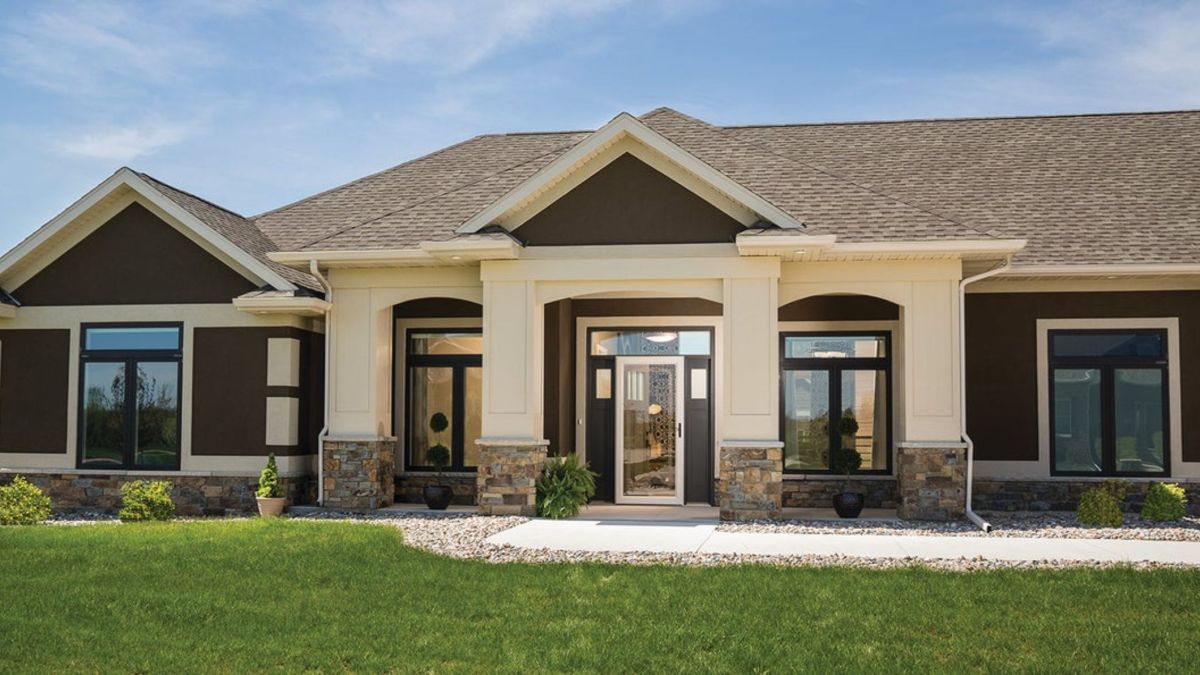
If the room near your front door always feels a few degrees off from the rest of the house, your entry door could be the reason why. Homeowners often assume the issue is with their HVAC system, when in reality energy-efficient entry doors are what actually keep indoor temperatures balanced from room to room.
Let's look at why this happens and what it means for your home's comfort.
Why One Door Can Throw Off Your Whole Home's Comfort
Your front entryway sees more temperature exposure than almost any other part of your house. It faces direct sun, wind, rain, and constant use, all of which can affect how well it holds indoor air at a steady temperature. When a door is not performing as it should, the areas around it are usually the first to notice the difference.
Common Reasons Your Entry Door Creates Uneven Temperatures
Worn Weatherstripping Lets Air Escape: Weatherstripping compresses and wears down over years of daily use. Once it loses its seal, conditioned air slips out around the edges, which creates a noticeably different temperature near the doorway.
Outdated Glass or Door Materials: Older doors, especially those with minimal insulation, do very little to block outside heat or cold. That means the entryway experiences more temperature swings than better-insulated areas of the home.
Gaps From a Shifted or Warped Frame: As frames age, they can shift slightly out of square. Even a small gap around the edges is enough to let outside air in, creating a draft that throws off the room's temperature.
Direct Sun or Wind Exposure: Entryways that face direct sun or prevailing wind experience greater temperature stress than doors tucked into a covered or shaded area. That added exposure often makes the nearby room feel warmer or cooler than expected.
- A Door That No Longer Seals Tightly: Over time, hinges loosen and the door itself may settle lower in the frame. When it no longer closes flush, even a small opening is enough to let temperature-controlled air escape. If you're dealing with a Drafty Front Door? Common Causes and When Replacement Is the Better Solution, identifying the source of the problem can help determine whether a simple repair or full replacement makes more sense.
Signs Your Entry Door Is the Culprit
Many homeowners who are wondering why the room by my front door is always cold or why my entryway is always hot are dealing with one or more of these signs.
- The area near the door feels noticeably warmer or cooler than the rest of the home.
- You can feel a draft when standing close to the door, even when it is shut
- Your thermostat seems to run more often without a clear reason
- Daylight is visible around the edges of the frame
- The door feels difficult to close all the way
If several of these apply to your home, your entry door is likely playing a bigger role in your comfort than you realized.
Why Sealing Alone Often Falls Short
Adding new weatherstripping or caulking around a gap can offer some temporary relief. But once a frame has shifted or the door itself has lost its ability to seal properly, those small fixes tend not to last.
This is why many homeowners eventually look into energy-efficient entry doors rather than making the same seasonal adjustments. A door that no longer closes flush or insulates properly will continue to let temperature-controlled air escape, no matter how many times the edges are resealed.
If the surrounding wall shows signs of structural damage, that portion of the work should be handled by a licensed contractor before installing a new door, as it falls outside the scope of a full door replacement.
How Energy-Efficient Entry Doors Solve the Problem
Choosing energy-efficient entry doors addresses the root cause of the temperature imbalance rather than masking it. A properly installed door helps keep conditioned air where it belongs.
- Tighter seals prevent drafts from forming around the frame
- Insulated construction reduces heat transfer during both summer and winter
- A properly squared frame keeps the door closing flush for a lasting seal
- Better insulation helps your thermostat maintain a more even temperature throughout the home
Homeowners searching for the best doors for temperature control often find that upgrading the entry door itself makes a noticeable difference in how balanced their home feels.
What to Expect When You Replace Your Entry Door
Replacing an older entry door is straightforward when an experienced, professional team handles it. Here is what the process typically looks like.
- The existing door and frame are removed completely
- A new, properly sized and sealed door is installed in its place
- The surrounding trim and seal are finished to keep the fit tight and draft-free
Backed by a Lifetime Limited Warranty for long-term peace of mind. Restrictions may apply. For complete details, contact Window World of Frederick.
Ready for a More Comfortable, Even Temperature at Home?
An entry door that no longer seals properly can quietly affect your home's comfort, letting drafts in and making rooms feel too warm or too cold. If you're dealing with these issues, exploring door replacement in Mount Airy, MD can help restore a tighter seal and keep indoor temperatures more balanced year-round.
Reach out today and get your Free Quote on a new entry door, and start enjoying a home that feels consistent from room to room.
Frequently Asked Questions
-
Worn weatherstripping, outdated materials, or a shifted frame often let outside air in, creating a noticeable temperature difference near the entryway.
-
It may offer temporary relief, but if the frame has shifted or the seal has failed, the imbalance usually returns fairly quickly.
-
Yes, better insulation and tighter seals help block drafts, which often leads to a more even temperature throughout nearby rooms.
-
Visible gaps, drafts, or a door that no longer closes flush are strong signs that replacement is a better fix than another adjustment.
-
Many homeowners notice steadier indoor temperatures and reduced strain on their HVAC system after upgrading to a better-sealed entry door.